How to Choose the Best Ev Suv for Your Global Procurement Needs?
Choosing the best EV SUV for global procurement needs is crucial for businesses today. As electric vehicles continue to gain popularity, the EV SUV market has expanded significantly. This shift is not just about adopting new technology; it's about aligning with sustainability goals and reducing carbon footprints.
When selecting an EV SUV, consider several factors. The driving range, charging time, and total costs are paramount. Each brand offers diverse features, which can lead to confusion. It’s essential to analyze your specific needs, whether they are for fleet operations or employee commuting.
Not all EV SUVs are created equal. Some excel in technology and range but may lack in comfort or safety ratings. It's important to assess these trade-offs carefully. While some may meet your initial criteria, others may require deeper exploration or reevaluation. Reflect on what fits your procurement strategy best, ensuring you make an informed choice in this evolving market.
Understanding Your Global Procurement Requirements for EV SUVs
When selecting the best electric SUV for global procurement, understanding your requirements is key. Assess your organization's driving patterns and daily needs. Consider the vehicle range. Some electric SUVs offer longer distances between charges, while others are more suited for city driving. Analyzing your fleet's routes can help you choose effectively.
Battery capacity is also crucial. Different models have varying charge times and efficiency levels. Look for vehicles that fit your usage profile. Evaluate how many vehicles you need and what features are essential. Sustainability practices should inform your choice. Are you prioritizing local sourcing or carbon offsets?
Another factor is the availability of service and parts in your region. Research local regulations regarding electric vehicles. Some markets may impose restrictions or provide incentives. Evaluating these factors can prevent future regrets. Reflect on your company’s long-term goals as well. The right choice will align with your values and operational needs.
Evaluating Key Features of EV SUVs for International Markets
When choosing an electric SUV for global procurement, several key features must be evaluated. Range should be prioritized. A longer range enables more flexibility in international markets. It's essential to consider charging infrastructure in target regions. In some areas, fast-charging stations may be scarce, impacting usability.
Battery technology significantly affects performance. Look for diverse options in battery capacity to suit different markets. Safety features are another critical aspect. They ensure compliance with international standards. Advanced driver-assistance systems enhance safety but can complicate repairs abroad.
Every market has its unique requirements. Some may prioritize eco-friendly materials, while others focus on cost efficiency. Culturally specific preferences can also influence design choices. It’s a complex puzzle that demands careful thought. Not all EV SUVs meet these varied needs effectively. This gap highlights the importance of thorough research and understanding of both the product and the market landscape.
Assessing Cost-Effectiveness in EV SUV Procurement Strategies
When assessing cost-effectiveness in EV SUV procurement strategies, a few critical factors need consideration. The first is total cost of ownership. This includes not just the purchase price but also maintenance, insurance, and charging costs. Many prospective buyers underestimate the utility costs associated with electric vehicles. Some models may seem affordable upfront but have high long-term expenses.
Next, it's essential to evaluate the vehicle’s resale value. Some EVs depreciate faster than traditional SUVs, which can impact your budget. Researching market trends can provide insights into which models retain value longer. Additionally, look at incentives provided by governments for electric vehicle purchasers. These can significantly offset initial costs but vary by location and may change over time.
Finally, consider the technological features available in the chosen SUV. The effectiveness of the battery, range, and warranty offered can dramatically affect overall satisfaction. Make sure to analyze reviews and expert opinions. However, keep in mind that the rapidly evolving EV market can make past reviews less relevant. Staying updated on trends is crucial to selecting a vehicle that meets future needs.
How to Choose the Best Ev Suv for Your Global Procurement Needs? - Assessing Cost-Effectiveness in EV SUV Procurement Strategies
| Model |
Price (USD) |
Range (miles) |
Charging Time (hours) |
Cargo Space (cu ft) |
Maintenance Cost (annual) |
| EV SUV A |
$45,000 |
300 |
8 |
30 |
$600 |
| EV SUV B |
$50,000 |
250 |
6 |
28 |
$700 |
| EV SUV C |
$55,000 |
350 |
7 |
35 |
$650 |
| EV SUV D |
$60,000 |
280 |
5 |
25 |
$800 |
Comparing Charging Infrastructure and Support in Different Regions
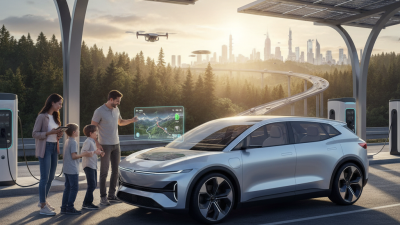
When choosing an electric SUV for global procurement, understanding regional charging infrastructure is crucial. Each area has different levels of support for electric vehicles. In some regions, charging stations are abundant. In contrast, others may struggle with limited access. This disparity can significantly impact your operations and vehicle usability.
Consider the density of charging stations. Access to fast chargers can reduce downtime. Many urban centers are investing in their infrastructure. However, rural areas often lag behind. It's essential to evaluate the areas where your fleet will operate. Take note of charging network reliability and availability. Research local policies as they can influence the expansion of charging facilities.
Another factor to reflect on is the type of charging options available. Some regions offer home charging incentives, while others focus on public charging networks. Assessing these features helps you make informed decisions. Understanding regional support creates a clearer picture of your potential challenges. You may find it necessary to plan for contingencies in areas with slow development in charging infrastructure. Balancing these details will guide you toward a suitable electric SUV for your needs.
Analyzing Environmental Impact and Sustainability of EV SUV Choices
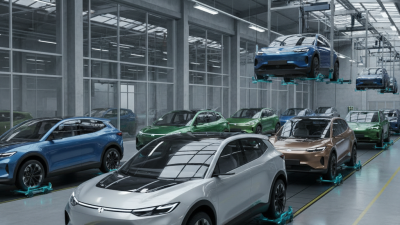
Choosing an electric SUV involves more than just looking at the vehicle's performance. Sustainability and environmental impact are key factors. Many EV SUVs claim low emissions, but this can be misleading without a proper life cycle analysis. The production process, from battery sourcing to assembly, often leaves a significant carbon footprint. Understanding these nuances is essential for making an informed choice.
Battery manufacturing is resource-intensive. The extraction of lithium, cobalt, and nickel can harm local environments. Additionally, transportation adds to the overall emissions. It's vital to research how companies manage their supply chains and their commitment to ethical sourcing. Not all manufacturers provide transparent data, making it important to scrutinize available reports.
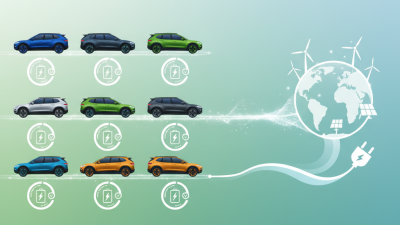
Charging infrastructure also plays a role in sustainability. Access to renewable energy sources can enhance the environmental benefits of electric SUVs. Consumers should evaluate how their usage patterns align with regional energy supplies. Balancing convenience and eco-friendliness often prompts critical reflection on personal transportation choices. This complexity highlights the importance of informed decision-making in selecting the best EV SUV.