How to Choose the Best Hybrid Car for Your Needs?
Choosing the best hybrid car can be a challenge today. With so many options available, how do you find the right one? Expert Michael Tierney, a veteran in the hybrid car industry, states, “The best hybrid car fits your lifestyle and budget.” This underscores the need for careful consideration.
Hybrid cars blend gasoline and electricity. They promise efficiency and sustainability. But, not all hybrid cars are created equal. Features vary widely—from size to fuel economy. Your daily routine should guide your choice. Do you commute short distances? Or often drive long trips? Consider what you need.
With so much information, it’s easy to feel overwhelmed. Each hybrid car presents benefits and compromises. Some are more reliable, while others offer better features. Take time to compare specifications and reviews. This will help you make an informed choice. Remember, the right hybrid car should enhance your life, not complicate it.
Understanding Your Driving Needs and Habits
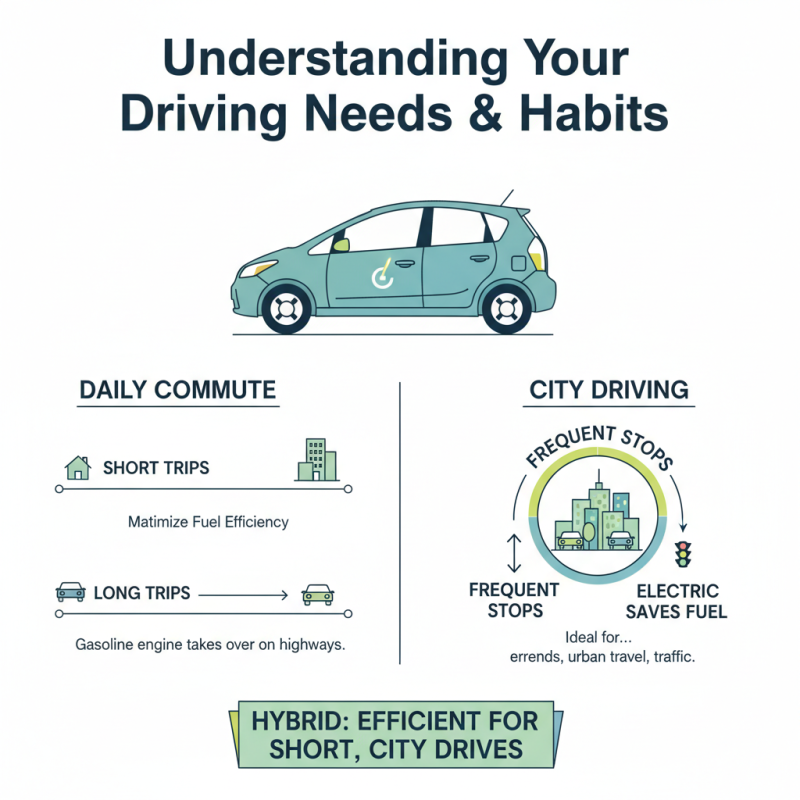
When considering a hybrid car, understanding your driving needs is crucial. Think about your daily commute. How far do you travel? If your trips are short, a hybrid can maximize fuel efficiency. It’s perfect for city driving, where frequent stops drain fuel.
Consider your lifestyle. Are you an eco-conscious individual? Hybrid cars often reduce emissions and support sustainability. Families might prioritize space and safety features, while singles might look for compact options. Reflect on how often you travel long distances. A hybrid’s battery life could impact your decisions here.
Your habits also matter. Do you like weekend road trips? A hybrid may not perform seamlessly on highways compared to traditional vehicles. Test driving models can reveal surprises. You might find the ride isn't as smooth as expected. Listen to your instincts. Take time to weigh the pros and cons. Your driving patterns will ultimately guide you in selecting the right hybrid car.
Evaluating Hybrid Car Types and Technology
When evaluating hybrid car types, understanding the key technologies is crucial. There are primarily two types of hybrid vehicles: conventional hybrids and plug-in hybrids. Conventional hybrids rely on both a gasoline engine and an electric motor. They are designed for drivers who want improved fuel efficiency without needing to charge the battery regularly. According to the U.S. Department of Energy, these cars can achieve up to 50% better fuel economy compared to traditional gas vehicles.
Plug-in hybrids, on the other hand, offer larger battery packs and can be charged from an external source. This allows for greater electric-only driving ranges, sometimes exceeding 30 miles. The International Council on Clean Transportation reports that plug-in hybrids can reduce emissions by 50% in urban driving conditions. However, they have more complex systems, which may lead to increased maintenance needs.
Considering the technology is essential, but it’s not the only factor. Assess your driving habits and local charging infrastructure. Many drivers feel overwhelmed by the options. Research shows that a high percentage of potential hybrid buyers do not fully understand how these technologies work. This lack of understanding can lead to mismatched needs and vehicle features. Carefully weigh your options and consider what fits your lifestyle best.
Comparing Key Features and Specifications
When selecting a hybrid car, key features and specifications can greatly influence your decision.
Fuel efficiency is paramount. According to the Environmental Protection Agency (EPA), hybrid cars can achieve
40% to 50% better fuel efficiency than traditional vehicles. This translates to substantial savings at the pump.
However, keep in mind that real-world mileage can vary based on driving habits and conditions.
Battery range is another crucial aspect. Most hybrids run on both gasoline and electricity.
The electric-only range can significantly impact daily use. For instance, many hybrids offer about
20 to 30 miles on electric power alone. This feature is beneficial for short commutes but may fall short for long daily drives.
Technology also plays a vital role. Features like
adaptive cruise control,
lane-keeping assist, and
infotainment systems enhance the driving experience.
However, these advanced technologies could complicate repairs and maintenance. According to a report from
Consumer Reports, hybrid cars can have higher repair costs due to their intricate systems. Buyers must weigh the benefits of technology against potential long-term costs.
Lastly, consider your driving style. Some drivers enjoy efficiency over speed, while others prioritize power. Balancing these factors will help you make a thoughtful decision.
Assessing Fuel Efficiency and Environmental Impact
When assessing fuel efficiency and environmental impact, it’s vital to consider various factors. Hybrid cars are marketed as eco-friendly options, but their performance can vary greatly. Evaluating the official miles per gallon (MPG) ratings provides a basic understanding of fuel efficiency. However, real-world testing often reveals discrepancies. Look for reports from independent sources that conduct thorough tests.
Another aspect to reflect on is emissions. While hybrids generally produce fewer pollutants than traditional vehicles, not all models are equal. Understanding the emissions ratings can offer deeper insight into their environmental footprint. Pay attention to the battery type and its lifecycle—this can impact overall sustainability. Additionally, usage patterns matter. If you frequently drive in stop-and-go traffic, a hybrid's efficiency may be maximized here, whereas highway driving might not yield the same benefits.
Finally, be open to the compromises of a hybrid. Battery replacement can be costly, and not all hybrids offer the same level of driving experience. It’s crucial to weigh the benefits against potential drawbacks. Test driving different models can help clarify these issues. Balancing performance and environmental impact requires thoughtful consideration and personal reflection on what matters most to you.
Budgeting for Purchase and Maintenance Costs
When considering a hybrid car, budgeting is crucial. You need to account for the purchase price, which can vary widely. Hybrid cars often have higher upfront costs than traditional vehicles. However, potential fuel savings can offset this over time. Calculate your expected fuel expenses based on your driving habits. Simple math can show savings during your ownership.
Maintenance costs also play a vital role in your budget. Routine maintenance for hybrid vehicles can sometimes be more expensive due to specialized parts. Be mindful that some components, like batteries, might require replacement after several years. Research average repair costs in your area. Compare this with traditional car expenses to get a clearer picture.
Consider insurance premiums, which may be higher for hybrids. This can further impact your budget. Visit local insurance providers for quotes. The total cost of ownership should include taxes and registration, too. Ultimately, a thorough financial plan helps ensure that your choice aligns with your needs and limits financial surprises down the road.