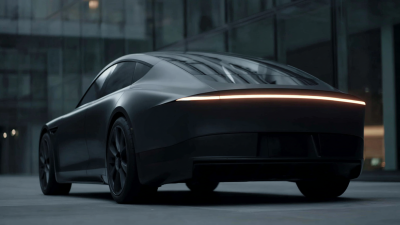
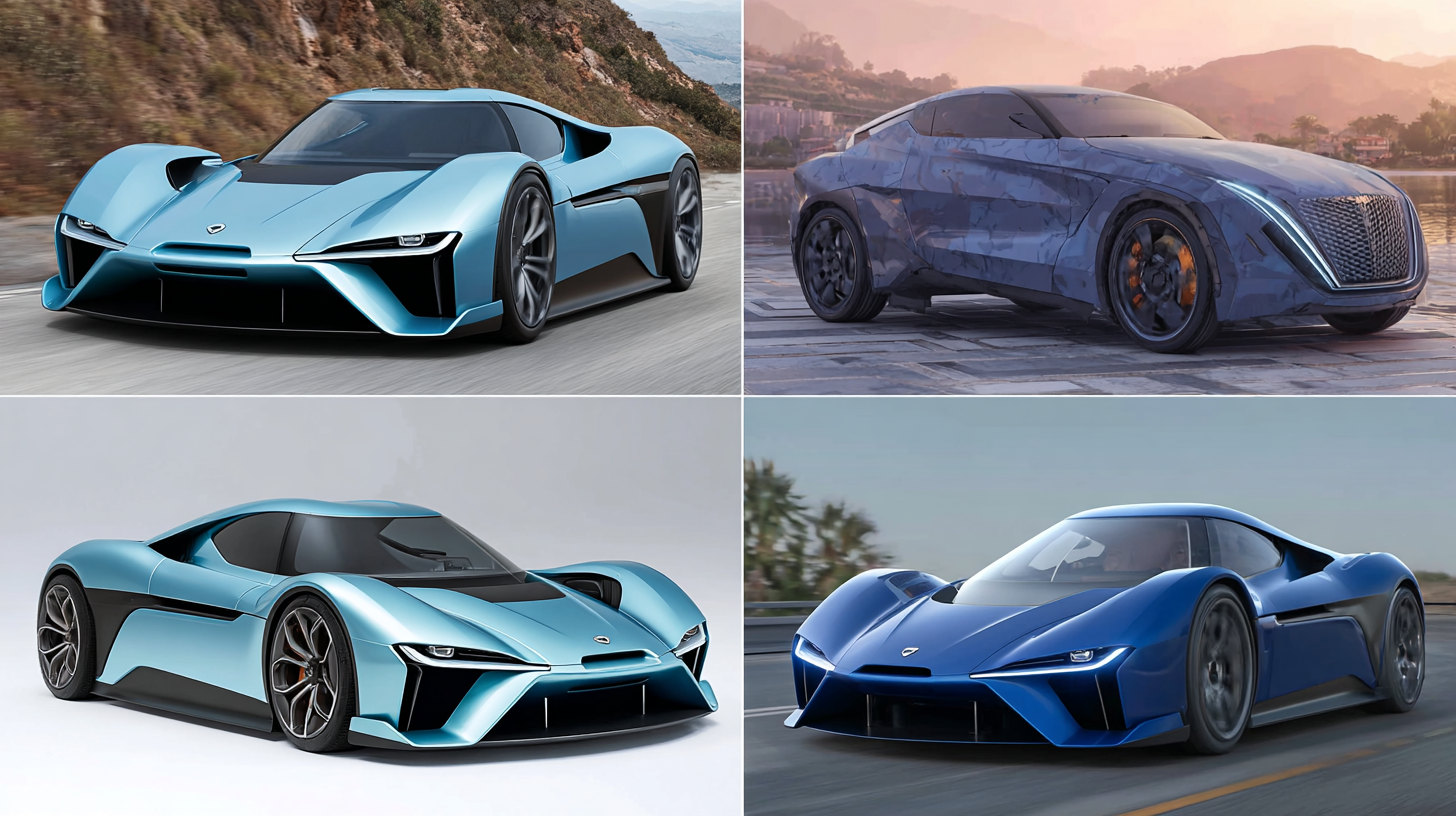
Discover the Future: The Top Fully Electric Cars to Watch in 2025
As the automotive industry pivots towards sustainability, the rise of fully electric cars is reshaping our roads and redefining transportation norms. By 2025, the global market for electric vehicles (EVs) is projected to reach over 26 million units sold annually, according to a recent report by the International Energy Agency. This signifies a sharp increase from just over 2 million in 2020, evidencing a growing consumer appetite for cleaner, more efficient vehicles.
Manufacturers are responding to this demand by ramping up the development of innovative fully electric cars, featuring advancements in battery technology, range capabilities, and performance metrics. Industry giants and emerging startups alike are investing heavily in R&D, with investments surpassing $300 billion globally in the next five years. These investments are not only fueling the production of electric models but are also driving down costs, making fully electric cars an attractive option for consumers.
As we look ahead to 2025, numerous models are anticipated to make waves in the market, ranging from compact urban vehicles to high-performance electric sports cars. The future of fully electric cars is not just about reducing carbon footprints; it's about creating a new era of mobility that is exciting, efficient, and sustainable. Prepare to discover the top fully electric cars to watch that are set to lead the charge in the coming years.
The Rise of Fully Electric Vehicles: Trends Shaping 2025
The automotive industry is undergoing a significant transformation as fully electric vehicles (EVs) gain momentum in the market. One of the most notable trends shaping 2025 is the growing demand for sustainability. As consumers become increasingly eco-conscious, manufacturers are responding by developing greener technologies and materials, thereby reducing the carbon footprint of their vehicles. This shift not only addresses environmental concerns but also aligns with governmental regulations aimed at achieving lower emissions and promoting renewable energy sources.
Another key trend influencing the rise of fully electric vehicles is the advancement of battery technology. Innovations in battery efficiency and energy density are paving the way for longer driving ranges and shorter charging times. As companies invest heavily in research and development, the performance of EVs is expected to rival traditional internal combustion engines by 2025. Additionally, the expansion of charging infrastructure is making it easier for consumers to adopt electric vehicles, alleviating anxiety associated with charging logistics. Together, these trends are not only enhancing the appeal of fully electric cars but are also positioning them as the vehicles of choice for the future.
Key Players in the Electric Vehicle Market by 2025
As the electric vehicle (EV) market continues to evolve, several key players are positioning themselves for dominance by 2025. According to a recent report from the International Energy Agency (IEA), the global electric car stock reached over 10 million units in 2022, and this number is projected to surpass 40 million by 2025. Major manufacturers such as Tesla, Ford, and Volkswagen are investing heavily in their EV lineups, aiming to capture a significant share of this rapidly growing market.
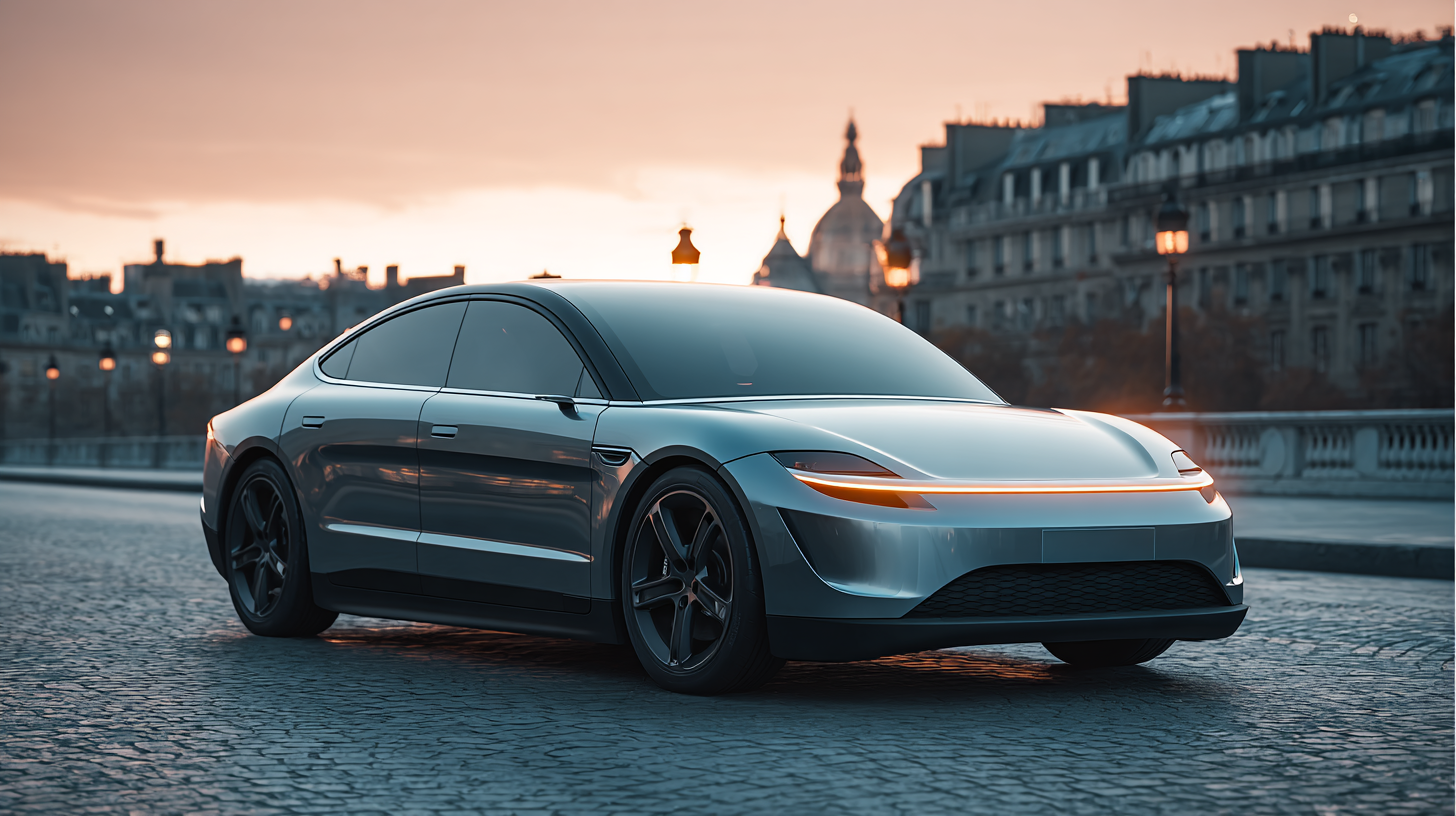
Tesla remains a leading force, with plans to expand its production capacity and introduce new models like the Cybertruck, further solidifying its position in the market. Meanwhile, Ford's aggressive transition to electrification, highlighted by the success of the F-150 Lightning, signals its commitment to becoming a top contender. Volkswagen, leveraging its massive scale and global presence, aims to produce up to 1.5 million EVs annually by 2025, targeting a diverse customer base with various electric models. As competition intensifies, advancements in battery technology and infrastructure development will play crucial roles in determining the market leaders of the future.
Innovative Technologies Driving Electric Cars Forward
The automotive industry is undergoing a revolutionary transformation with the integration of innovative technologies that are propelling fully electric cars into the mainstream. In 2025, we can expect groundbreaking advancements in battery technology, which will enhance vehicle range and charging speed. Solid-state batteries are emerging as a game-changer, offering higher energy densities and increased safety compared to traditional lithium-ion batteries. These innovations will not only extend the driving range of electric vehicles (EVs) but also reduce charging times, making them a more convenient option for consumers.
Moreover, the incorporation of artificial intelligence (AI) and advanced software systems will play a crucial role in the evolution of electric cars. AI will enhance vehicle performance, optimizing energy consumption and improving driving assistance features. Smart connectivity will enable vehicles to communicate with each other and with infrastructure, creating more efficient traffic systems and enhancing safety. As manufacturers invest in autonomous driving technologies alongside electrification, we can anticipate a future where fully electric cars are not only eco-friendly but also smarter and safer than ever before.
Discover the Future: The Top Fully Electric Cars to Watch in 2025 - Innovative Technologies Driving Electric Cars Forward
| Model |
Range (miles) |
Battery Capacity (kWh) |
0-60 mph (seconds) |
Charge Time (DC Fast Charge) |
| E-Car Model A |
350 |
75 |
3.5 |
30 min |
| E-Car Model B |
400 |
100 |
4.2 |
25 min |
| E-Car Model C |
320 |
85 |
3.9 |
35 min |
| E-Car Model D |
450 |
90 |
3.0 |
20 min |
| E-Car Model E |
370 |
80 |
4.5 |
30 min |
Sustainable Practices in Manufacturing Electric Vehicles
As the demand for electric vehicles (EVs) surges, manufacturers are increasingly turning their focus towards sustainable practices in the production process. This shift is not merely a trend but a necessary step to minimize environmental impact. Companies are implementing innovative technologies such as recycling battery materials and utilizing renewable energy sources throughout their manufacturing facilities. These practices not only reduce carbon footprints but also enhance the overall sustainability of electric vehicles.
For those interested in supporting sustainable practices, consider researching the supply chain of your preferred electric car brands. Look for companies that prioritize eco-friendly materials and transparent sourcing. Moreover, many manufacturers are now offering incentives for recycling old batteries, which can significantly lessen waste and encourage responsible consumption.
Additionally, consumers can make a difference by choosing brands that commit to sustainable manufacturing. Pay attention to certifications and sustainability reports that indicate a company's ecological footprint. By aligning with manufacturers that practice sustainability, you contribute to a better future while enjoying the benefits of advanced electric vehicle technology.
Consumer Expectations and Preferences for Future Electric Cars
As we look towards 2025, consumer expectations for fully electric vehicles (EVs) are shifting significantly, driven by technological advancements and the ongoing push for sustainability. According to Deloitte's 2023 global automotive consumer survey, a substantial number of consumers prioritize range, charging infrastructure, and the overall driving experience when selecting their next vehicle. With expectations rising, innovations expected in the EV space will center on enhancing these key factors, making them critical for manufacturers aiming to remain competitive in the evolving market.
Tips: When considering an EV purchase, consumers should closely evaluate the availability of charging stations in their region. Additionally, understanding the range and performance specifications can greatly influence satisfaction with their new vehicle. As the market matures, brands embracing cutting-edge technologies and listening to consumer preferences will likely lead the pack.
Moreover, the automotive air conditioning compressor market is projected to grow from $101.36 million in 2024 to $121.72 million by 2032, indicating a steady increase in demand for efficient and eco-friendly components in electric vehicles. This growth highlights an essential trend: the necessity for automotive manufacturers to integrate sustainable practices while meeting the diverse preferences of today’s environmentally-conscious consumers.