
Choosing the right Phev Cars begins with understanding how you actually travel each week. A plug-in hybrid may suit drivers who commute electrically but need petrol power for longer journeys. It is not automatically the best choice for every household.
Start by measuring your daily distance, charging access, and typical road conditions. A driver covering 25 miles to work may use electric power most days with home charging. Someone without a driveway may depend on public chargers, which can add time and cost. Charging habits matter more than impressive laboratory figures.
Examine battery range, charging speed, cabin space, warranty coverage, and fuel economy after the battery is depleted. A larger battery can improve electric driving, but it may also increase weight and purchase price. Test the vehicle in traffic, on hills, and during parking. Small details matter, such as rear-seat comfort and trunk space for weekly shopping.
Real-world results can differ sharply from official ratings. Weather, heating, speed, and luggage all influence efficiency. Check independent reviews, manufacturer specifications, and local ownership costs before deciding. An experienced dealer should explain battery coverage clearly, without promising unrealistic savings.
There is no perfect PHEV.
Your best option balances technology with routine. This guide compares practical factors, helping you choose confidently while recognizing one uncomfortable truth: a PHEV only delivers its strongest benefits when it is charged regularly.
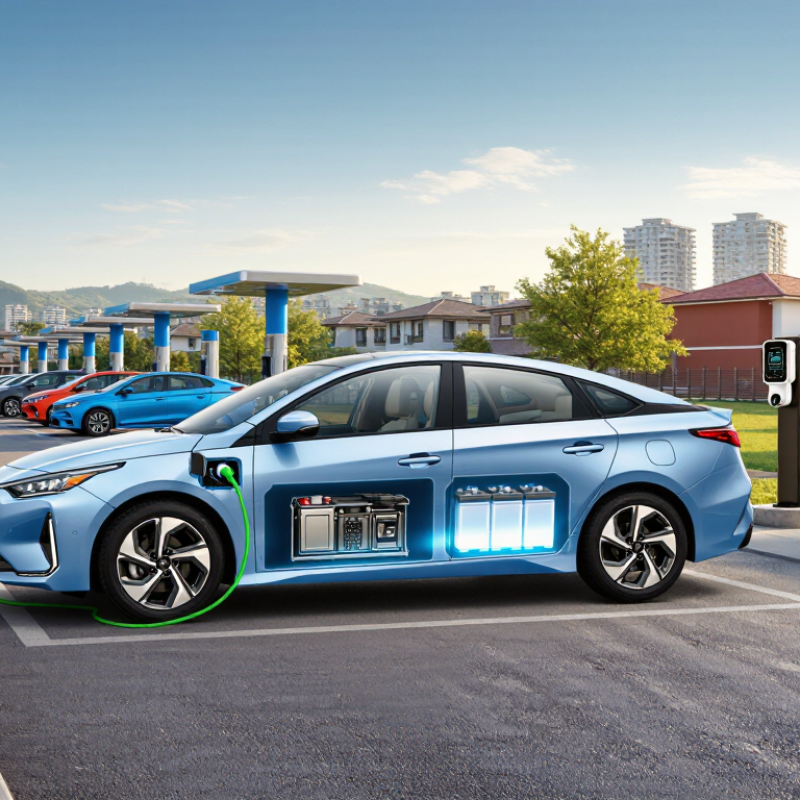
Before comparing PHEV models, map a normal week, not an ideal one. The 2017 National Household Travel Survey reported an average of about 29 miles driven per vehicle per day in the United States. That is a useful reference, not a personal forecast. Your commute, school run, and weekend errands may look very different. Write down daily distances for a week, including the occasional longer trip. Be honest about detours.
Then compare your routine with the vehicle’s electric range. The U.S. Department of Energy’s Alternative Fuels Data Center says many PHEVs offer roughly 15 to 60 miles of all-electric driving. Range varies by model and conditions. Cold mornings, highway speeds, and cabin heating can reduce it. A 35-mile advertised range may not cover a 32-mile winter commute comfortably. Close, but not certain.
Charging access matters just as much. Note whether you can charge overnight at home, at work, or only occasionally; a nearby outlet is not the same as reliable access. Estimate how often the gasoline engine would run on your actual schedule. Keep a simple mileage and charging log for a few weeks if possible. It may be messy. Still, real habits reveal more than a perfect spreadsheet. If longer trips are frequent, weigh their added fuel use against your usual electric miles.

A useful PHEV comparison starts with your daily route, not its biggest advertised range. The U.S. Department of Energy’s Alternative Fuels Data Center says plug-in hybrids typically offer about 15 to 60 miles of electric driving, depending on the vehicle. That matters. A 25-mile commute may fit within that range, while a 50-mile trip with highway driving or cabin heating may not. The estimate is imperfect. Cold weather, speed, hills, and air-conditioning can reduce electric range. Compare both electric range and gasoline fuel economy, and check whether the fuel-economy figure assumes regular charging.
Charging habits can change ownership costs. A standard household outlet may work for overnight charging, while a 240-volt Level 2 charger can refill the battery faster. Check charging access at home and work before paying for equipment. The International Council on Clean Transportation’s 2022 study of European PHEVs found real-world fuel consumption was often several times higher than official test values, partly because drivers charged less frequently than expected. Check the plug. If you cannot charge most days, a PHEV may rely on gasoline more often, weakening its fuel-saving advantage. Compare the charging time in the vehicle’s specifications with the hours your car actually sits parked.
Compare electric range, fuel economy, and typical Level 2 charging time. Longer electric range is useful for daily commuting, while higher fuel economy matters on longer trips. Charging times vary with battery size and onboard charger capacity.
How to read the chart: Electric range is shown in miles, combined fuel economy in miles per gallon, and typical Level 2 charging time in hours. A 240-volt Level 2 charger is generally much faster than a standard household outlet.
Choosing a plug-in hybrid electric vehicle starts with your daily routine, not its appearance. Measure your garage, parking space, and usual passenger count before comparing specifications. A compact model may suit narrow streets, while a larger vehicle offers easier rear access and more luggage room. Sit in every seat. Check knee clearance, shoulder space, and the height of the floor. A raised battery floor can reduce foot space for middle-row passengers. Small details matter.
Features should solve real problems. Look for clear charging information, adjustable regenerative braking, heated seats, and safety systems that work without constant alerts. Test the screen with gloves if you drive in winter. Evaluate acceleration during a highway merge, not only during a short showroom drive. Electric power can feel immediate, but a full load may change braking and cornering behavior. Ask about charging time, usable battery capacity, and warranty coverage from reliable technical sources.
My first comparison focused too heavily on electric range. That was a mistake. A vehicle with less range but better seating comfort may fit family life better. Drive over uneven roads, listen for cabin noise, and inspect visibility at junctions. Some controls may feel awkward after one trip. Give yourself time. Passenger space, performance, and everyday convenience should be judged together, because excellent numbers cannot fix an uncomfortable second row.
Purchase price is only the opening number. Build a five-year worksheet with the vehicle price, financing, insurance, charging equipment, fuel, electricity, maintenance, and resale value. Subtract available incentives only after checking eligibility, income limits, registration rules, and purchase deadlines. The U.S. Department of Energy explains that plug-in vehicles can reduce maintenance needs because electric drivetrains use fewer moving parts. However, a PHEV still carries an engine, exhaust system, and transmission. Maintenance is not zero. Add a realistic annual service allowance.
Daily driving distance matters more than advertised electric range. If your regular trip fits within the usable battery range, charging at home can reduce fuel spending. Use your electricity tariff, not a national average. The International Council on Clean Transportation reported that real-world PHEV emissions in Europe were about 3.5 times higher than official test values for 2021 vehicles. That gap reflects limited charging and longer engine use. Important warning. Do not assume laboratory fuel figures.
Compare three scenarios: frequent charging, occasional charging, and no charging. Include winter range losses and public charging prices. A first spreadsheet is often too optimistic. Recheck it with actual monthly fuel receipts. The International Energy Agency reported nearly 14 million electric car sales globally in 2023, showing rapid market growth, but resale values still vary widely. Estimate conservatively. A lower purchase price may not deliver the best long-term value if charging access is poor or depreciation is severe.
Choosing the best PHEV car starts with safety, not electric range alone. Check independent crash-test ratings from recognized safety authorities. Review results for adult occupants, children, pedestrians, and driver-assistance systems. Do not stop there. Read recall notices and investigate whether repairs were completed on used vehicles.
Reliability deserves careful attention because a PHEV combines an engine, electric motor, battery, and charging hardware. Ask a qualified technician to inspect battery health, charging performance, brake wear, and cooling systems. During a test drive, notice warning lights, uneven braking, or delayed power delivery. These small signs may reveal expensive problems later. I once focused too heavily on fuel savings and overlooked the service history. That was a costly mistake.
Study the warranty in plain language. Check coverage periods for the battery, power electronics, engine, and charging equipment. Some warranties exclude damage caused by incorrect charging or neglected maintenance. Ask how warranty claims are handled and whether trained technicians are available nearby. Ownership support also matters: confirm roadside assistance, software updates, replacement-part access, and public charging guidance. Speak with current owners, but compare their experiences with official service records. Online praise can be useful, yet it is not proof. A convenient repair center may matter more than a slightly lower purchase price. Keep every inspection report and service receipt. Your future self will appreciate it.
| Decision Dimension | Data to Check | How to Evaluate It | Best Fit |
|---|---|---|---|
| Crash-test safety | Current model-year NHTSA overall star rating and available IIHS test results or awards. | Check the exact model year and body style. Ratings and test coverage can change between years; confirm that the tested vehicle’s safety equipment matches the version being considered. | Prioritize strong results across multiple crash tests, not just one headline score. |
| Driver-assistance features | Availability of automatic emergency braking, pedestrian detection, blind-spot monitoring, and lane-support features. | Confirm which features are standard, optional, or unavailable on the specific trim. Review the owner’s manual for operating limits and required driver attention. | Useful for drivers who regularly travel in dense traffic or on highways, provided the features are easy to use. |
| Reliability evidence | Model-year-specific reliability surveys, recall history, service bulletins, and repair-cost information. | Compare multiple independent sources and distinguish a vehicle’s own record from broader brand-level results. Check open recalls using the vehicle identification number before purchase. | Choose a model with a consistent record and accessible service rather than relying on a single rating. |
| Electric driving range | EPA-estimated all-electric range for the exact model year and configuration. | Compare the estimate with your typical daily distance. Actual range can vary with temperature, speed, terrain, climate-control use, and driving style. | For frequent short trips, a range that covers most daily driving can reduce gasoline use when the battery is charged regularly. |
| Charging compatibility | Charging connector, onboard charging rate, charging time, and compatibility with available home or public equipment. | Confirm the vehicle’s connector and charging specifications, then check whether your parking location has a suitable outlet or charging station. Charging time depends on the vehicle, power supply, and battery conditions. | Best for drivers with dependable overnight home charging or convenient charging at work or nearby. |
| Fuel economy after battery depletion | EPA-estimated fuel economy in hybrid operation and the vehicle’s gasoline requirements. | Review the EPA label for both electric range and gasoline efficiency. A PHEV can still operate as a hybrid after its usable charge is depleted, but fuel use depends on the vehicle and driving conditions. | Important for long-distance drivers or households that may not charge every day. |
| Warranty coverage | Basic vehicle, powertrain, and high-voltage battery warranty terms, including time, mileage, exclusions, and transferability. | Read the warranty booklet for the exact vehicle and location. Battery coverage and eligibility can differ by jurisdiction and vehicle; do not assume one standard term applies to every PHEV. | Compare coverage details and the process for warranty repairs, not only the headline duration. |
| Ownership and service support | Nearby qualified service locations, high-voltage repair capability, parts availability, roadside assistance, and loaner-vehicle policies. | Ask local service providers which PHEV repairs they perform and how appointments, parts, and warranty work are handled. Policies vary by provider and location. | Especially important for drivers far from major service centers or dependent on one vehicle. |
| Total ownership cost | Purchase price, insurance quote, charging costs, gasoline use, maintenance schedule, and applicable incentives. | Use your local electricity and fuel prices and your expected annual mileage. Verify current incentive eligibility and deadlines with the relevant government or utility source. | Compare expected costs over the years you plan to keep the vehicle, rather than purchase price alone. |
| Practicality and fit | Passenger space, cargo capacity, child-seat fit, towing limits, and available spare tire or repair equipment. | Check the specifications for the exact trim and test the vehicle with your usual passengers and cargo. Battery packaging can affect storage or available configurations. | Choose a configuration that meets everyday needs without relying on assumptions from another trim or model year. |
| Research note: Safety scores, EPA estimates, warranty terms, recalls, and equipment can vary by model year, configuration, and location. Verify each item against official test records, the vehicle’s window label, warranty documents, and vehicle identification number before buying. | |||