What Are the Top China Electric SUVs for Global Buyers?
China’s electric vehicle industry has moved from domestic experimentation to serious global competition. The International Energy Agency’s Global EV Outlook 2024 reported nearly 14 million electric car sales worldwide in 2023. China accounted for about 60% of those sales. This scale gives Chinese manufacturers unusual experience in batteries, software, and high-volume production.
The electric SUV market deserves special attention. An Electric Suv combines family practicality with the quieter drive and lower operating costs expected from electric mobility. China Association of Automobile Manufacturers data showed China sold more than 9.4 million new-energy vehicles in 2023. It also exported over 1.2 million vehicles that year. BloombergNEF’s Electric Vehicle Outlook 2024 identified falling battery costs and expanding model choices as key forces supporting adoption. However, price alone cannot decide the best vehicle for global buyers.
Real ownership is messier.
Charging standards, winter range, repair access, insurance, and software support vary sharply between countries. A vehicle that performs well on Shanghai highways may feel less convincing in rural Europe or a hot Middle Eastern climate. Warranty terms also deserve careful reading. Some claims sound excellent until local service coverage is tested.
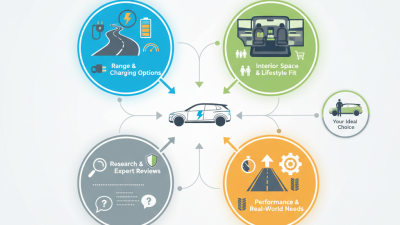
This guide compares China’s leading electric SUVs through practical criteria. These include driving range, battery technology, cabin quality, safety evidence, charging performance, export availability, and long-term support. Independent testing matters more than showroom promises. No ranking is flawless, especially while brands continue changing rapidly. Global buyers should treat specifications as a starting point, not a guarantee.
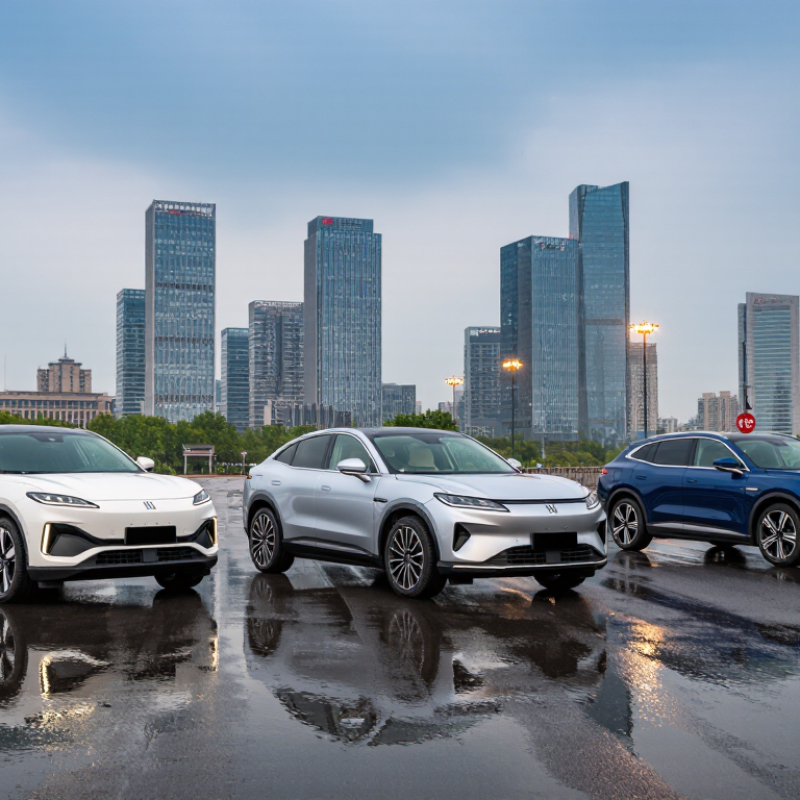
How China’s Electric SUV Market Is Shaping Global Choices
What Are the Top China Electric SUVs for Global Buyers?
China’s electric SUV market is reshaping how international buyers judge value, range, and equipment. The International Energy Agency reported more than eight million electric car sales in China during 2023. That represented nearly 60% of global electric car sales. SUVs now dominate many consumer discussions because they combine cabin space, higher seating, and family practicality.
Chinese manufacturers are also testing a faster product cycle. Many electric SUVs offer large displays, advanced driver-assistance functions, and software updates as standard equipment. Battery costs support this strategy. BloombergNEF reported an average global battery-pack price of 139 dollars per kilowatt-hour in 2023. China’s average was lower, at 126 dollars. That gap can influence pricing, although it does not guarantee better long-term reliability.
Global buyers should inspect more than the brochure. The IEA recorded almost 1.7 million Chinese electric-car exports in 2023, showing growing international reach. Yet charging compatibility, cold-weather range, repair networks, and local safety certification still vary widely. A vehicle with 500 kilometres of claimed range may deliver much less on a winter motorway. Real experience can be untidy. Independent tests matter.
The strongest choices usually balance battery size, charging speed, warranty support, and cabin quality. Buyers should also check software language, navigation coverage, and replacement-part availability. These details often decide ownership satisfaction after the showroom excitement fades.
What Are the Top China Electric SUVs for Global Buyers? - How China’s Electric SUV Market Is Shaping Global Choices
A brand-neutral comparison of representative Chinese electric SUV segments and their global-market relevance
| SUV Segment |
Typical Vehicle Length |
Usable Battery Capacity |
Advertised Range in China |
Estimated Real-World Range |
DC Fast-Charging Capability |
Typical China Price Range |
Global Buyer Appeal |
| Affordable Urban Electric SUV |
4.2–4.4 m |
30–45 kWh |
300–430 km CLTC |
210–300 km |
50–80 kW |
RMB 90,000–140,000 |
Low entry price, compact dimensions, and suitability for dense urban roads and parking spaces. |
| Compact Family Electric SUV |
4.4–4.6 m |
50–65 kWh |
450–560 km CLTC |
310–400 km |
90–140 kW |
RMB 140,000–210,000 |
A balanced choice for families seeking practical cargo space, manageable running costs, and moderate pricing. |
| Mid-Size Long-Range Electric SUV |
4.7–4.9 m |
70–90 kWh |
550–700 km CLTC |
380–500 km |
120–200 kW |
RMB 200,000–300,000 |
Strong all-rounder for longer commutes, family travel, and buyers comparing value with established global models. |
| Large Three-Row Electric SUV |
4.9–5.2 m |
80–110 kWh |
500–650 km CLTC |
350–460 km |
150–250 kW |
RMB 280,000–450,000 |
Offers greater passenger capacity, high equipment levels, and a practical alternative to large gasoline SUVs. |
| Premium Performance Electric SUV |
4.8–5.1 m |
90–110 kWh |
550–750 km CLTC |
380–520 km |
180–300 kW |
RMB 350,000–600,000 |
Combines rapid acceleration, advanced driver-assistance features, premium interiors, and high-voltage charging options. |
| Range-Extended Electric SUV |
4.6–5.1 m |
35–55 kWh |
180–320 km electric range |
140–230 km electric range |
80–150 kW |
RMB 180,000–350,000 |
Reduces range anxiety where public charging infrastructure is still developing, while retaining electric-drive capability for daily use. |
Data notes
Figures are representative market ranges compiled from specifications commonly published for China-market electric SUVs. CLTC results are generally higher than WLTP or EPA results; real-world range varies with temperature, speed, terrain, passenger load, and climate-control use. Prices are indicative China-market vehicle prices before local taxes, shipping, tariffs, incentives, and homologation costs. No individual company or vehicle brand is ranked in this comparison.
Key Features That Define China’s Leading Electric SUVs
China’s leading electric SUVs are defined by usable range, fast charging, and thoughtful cabin design. A strong model should deliver predictable performance, not just an impressive laboratory figure. Battery capacity matters, but thermal management matters more during winter mornings or steep mountain drives. Independent road tests should confirm these claims.
Inside, buyers often find large central displays, voice controls, and flexible rear seating. These features feel practical when carrying luggage, children, or sports equipment. Yet software quality can vary. Menus may feel crowded, and translations can sound unnatural. A careful buyer should test navigation, smartphone pairing, and climate controls before purchase.
Safety requires closer attention than glossy specifications suggest. Look for clear crash-test evidence, reliable driver-assistance functions, and regular software updates. Cameras should perform in heavy rain, while emergency braking should remain predictable in city traffic. Charging compatibility is equally important for international owners. Check connector standards, charging-network access, warranty terms, and local service capacity. A low purchase price loses appeal if repairs require long waits or distant parts. No SUV is flawless. That is worth remembering.
Top Chinese Electric SUV Models for Different Global Buyers
Global buyers need different electric SUVs, not one universal winner. A compact urban model suits crowded European streets, narrow parking spaces, and shorter daily journeys. A midsize SUV offers better family flexibility, especially with rear-seat air vents and a flat floor. Large three-row vehicles fit long-distance families, but their weight can reduce efficiency.
According to the IEA’s Global EV Outlook 2024, electric car sales exceeded 14 million in 2023, with China representing around 60% of global sales. That scale supports competitive pricing and rapid software development. However, buyers should examine battery chemistry, cold-weather range, charging speed, and warranty coverage. A claimed 600-kilometre range may fall sharply on motorways or below-freezing roads. Real use is messier. The ICCT also highlights the importance of lifecycle emissions, so efficient design matters beyond the showroom.
Tips: Match the SUV to your routine. Choose a compact model for urban driving, a midsize model for mixed family use, and a larger model only when its space is genuinely needed. Check local fast-charging coverage before ordering. Confirm service locations, spare-parts access, crash-test results, and software support in your country. A low purchase price can become less attractive when insurance, tires, or uncertain resale values rise. These details are easy to overlook.
Top China Electric SUVs for Global Buyers
Typical WLTP driving range by buyer profile. Figures are rounded representative specifications for Chinese-built electric SUV models sold or prepared for international markets.
Urban-focused models generally prioritize compact dimensions and efficiency, while family, long-distance, and premium SUV configurations offer larger batteries and longer certified ranges. Actual range varies by market, wheel size, temperature, speed, and test cycle.
Comparing Range, Performance, Technology, and Interior Space
For global buyers, electric SUV comparisons begin with range, but laboratory figures rarely match daily driving. A claimed 500-kilometer range may become 380 kilometers in winter, with heating, rain, and highway speeds. Battery size matters, yet charging access matters more. On a road trip, a reliable fast charger can save more time than another 50 kilometers of advertised range. Buyers should check charging standards, local network coverage, warranty terms, and battery support. These details are less exciting, but they determine ownership confidence.
Performance should feel controlled, not merely quick. Strong torque helps merge onto a busy highway, while predictable braking reduces fatigue in crowded streets. Adjustable regenerative braking is useful, although some systems feel abrupt at first. Cabin technology also needs practical testing. A clear central display, physical climate controls, and responsive voice commands can improve everyday use. Software updates may add functions, but they can also change familiar menus. That is worth considering.
Interior space separates a family-friendly SUV from a stylish but cramped model. Measure rear legroom behind a tall driver, not just the brochure’s luggage figure. A flat floor helps three passengers, while a low loading edge suits heavy bags or a folded stroller. Materials should resist fingerprints and heat, especially in bright climates. I would inspect seat support after an hour, not five minutes. Short test drives can mislead. Some impressive cabins become tiring on longer journeys, and no screen can fix poor seating.
What Global Buyers Should Know About Pricing, Support, and Regulations
For global buyers, the top China-built electric SUVs are not judged by range alone. They combine efficient batteries, practical cabin space, and competitive equipment. A claimed 500-kilometre range may shrink in winter, heavy rain, or motorway driving. Real-world testing matters more than a showroom figure. Buyers should compare charging speed, battery warranty, safety ratings, and local repair access before choosing.
Pricing can look attractive, but the advertised figure rarely tells the whole story. Import duties, shipping, registration fees, taxes, and home-charger installation can change the final cost. Software updates may also depend on regional support. I would request a written ownership estimate covering five years. It should include insurance, tyres, servicing, and battery coverage. Some sellers provide excellent remote assistance, yet local technicians may have limited training. That gap is easy to overlook.
Regulations require careful checking in each market. An SUV may need approval for lighting, crash protection, cybersecurity, charging plugs, and data handling. A vehicle built for one country might not satisfy another country’s certification rules. Parts availability deserves equal attention. Waiting several weeks for a small sensor is frustrating, even when the vehicle itself performs well. Independent safety tests and official registration records offer stronger evidence than online reviews. Buyers should also confirm whether the warranty remains valid after import. My earlier assumption that low purchase prices guaranteed low ownership costs was too simple. In practice, dependable support can matter as much as acceleration or range.